

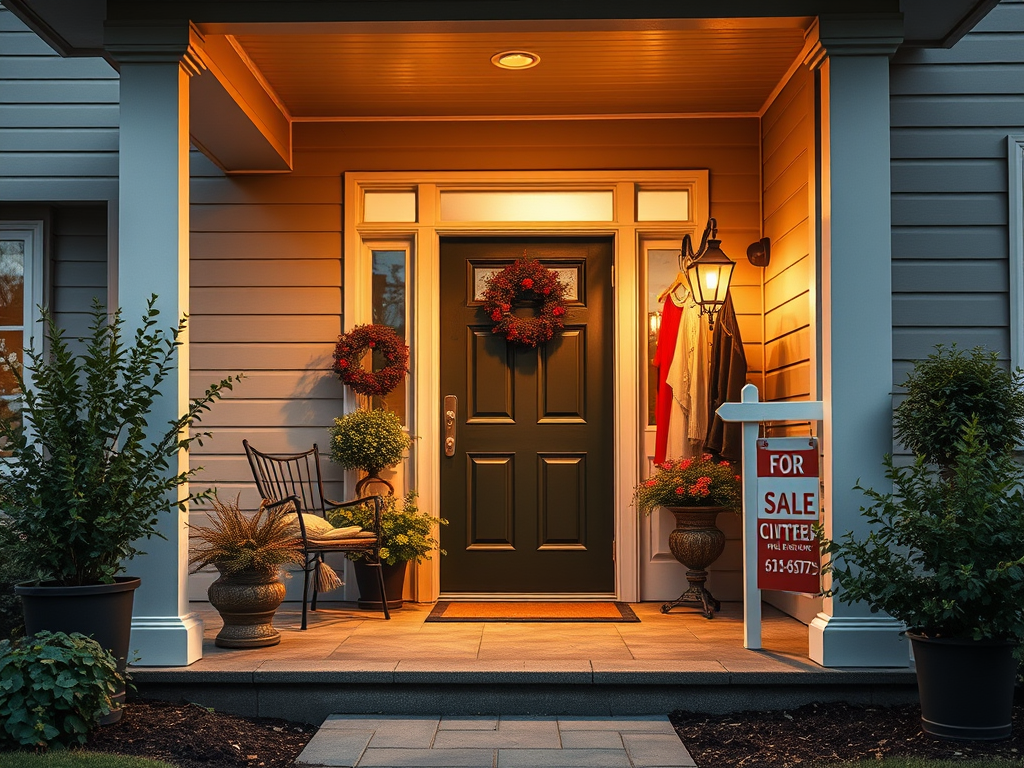
Home Buying Tips for Beginners: A Complete Guide
Buying your first home is one of the biggest financial decisions you’ll ever make. Still, if you’re new to the process, it can feel both exciting and overwhelming at the same time.
That’s why I created a ‘Home Buyers Guide‘ for beginners that walks you through every step. From budgeting and mortgage approval to closing the deal, you’ll learn exactly how to navigate the journey with confidence.
1. Decide Your Budget Before You Start
First and foremost, before you start browsing listings, you need to understand how much you can realistically afford. Otherwise, you will fall in love with homes outside your price range.
In addition to the purchase price, be sure to factor in:
- Your monthly income and expenses
- Your down payment
- Closing costs (typically 2–5% of the purchase price)
- Property taxes and insurance
As a result, setting a clear budget will help you stay focused and avoid financial stress later on.
2. Check Your Credit Score and Financial Health
Next, it’s important to review your credit score, since it directly impacts your mortgage approval and interest rate. For example, a higher credit score can qualify you for better loan terms, whereas a lower score may increase your borrowing costs.
To improve your score, you should:
- Pay all bills on time
- Reduce outstanding debt
- Avoid opening new credit accounts
Ultimately, taking these steps ahead of time can save you a significant amount of money.
3. Get Pre-Approved for a Mortgage
Once your finances are in order, the next step is to get pre-approved for a mortgage. Not only does this show sellers that you’re serious, but it also gives you a clear price range to work within.
Pre-approval can:
- Speed up the buying process
- Strengthen your offer in competitive markets
- Help you avoid wasting time on unaffordable homes
4. Save for a Down Payment
At this stage, you’ll also need to plan your down payment. While many people assume you need 20%, that’s not always the case. In fact, many first-time buyers qualify for lower options, such as 3%–5%. On the other hand, putting down more can reduce your monthly payments and eliminate extra costs like mortgage insurance. It’s important to find the balance that works best for your financial situation.
5. Choose the Right Location Carefully
Don’t overlook the importance of location. Even if a home seems perfect, its location can significantly impact your lifestyle and future resale value.
You should consider:
- Neighborhood safety
- Nearby schools and amenities
- Commute times
- Future development plans
- Busy street
In the long run, a great location can make all the difference.
6. Hire an Experienced Real Estate Agent
Working with an experienced real estate agent can make the entire process much smoother, especially for beginners. Not only can they help you find suitable properties, but they can also negotiate on your behalf and guide you through complex paperwork. As a result, you’ll avoid common mistakes and feel more confident in your decisions.
7. Always Get a Home Inspection
Before finalizing your purchase, it’s crucial to schedule a home inspection. Otherwise, you could end up facing costly repairs after moving in.
For example, inspections often uncover:
- Structural issues
- Plumbing or electrical problems
- Roof or foundation damage
That’s where I come in! As a contractor-turned-realtor, I help you make smarter home-buying decisions by spotting potential repair issues, identifying structural concerns, and giving you realistic estimates on renovation costs, so you can buy with confidence and avoid expensive surprises.
8. Understand All Home Buying Costs
Beyond the purchase price, there are several additional costs you need to consider. Unfortunately, many first-time buyers underestimate these expenses.
These may include:
- Closing costs
- Legal fees
- Moving expenses
- Immediate repairs or upgrades
By planning ahead, you can avoid unexpected financial surprises.
9. Avoid Common First-Time Buyer Mistakes
It is important to be aware of common mistakes that beginners often make.
For instance:
- Overspending on a home
- Letting emotions drive decisions
- Skipping inspections
- Failing to research the neighborhood
By staying informed, you can make smarter, more rational choices.
10. Be Patient and Think Long-Term
Finally, remember that buying a home is a long-term investment. Even though it can be tempting to rush, patience is key. Take your time, evaluate your options carefully, and choose a home that truly fits your needs and budget.
Start Your Home Buying Journey with Confidence
Buying your first home doesn’t have to be overwhelming. As long as you prepare in advance, understand the process, and make informed decisions, you can navigate the journey successfully. Ultimately, by following these home buying tips for beginners, you’ll be well-equipped to find a home that matches both your lifestyle and your financial goals.


Rob Collier

Ready to take the next step toward owning your first home?
Start your journey today and explore expert tips that make buying a home simple, clear, and stress-free.