

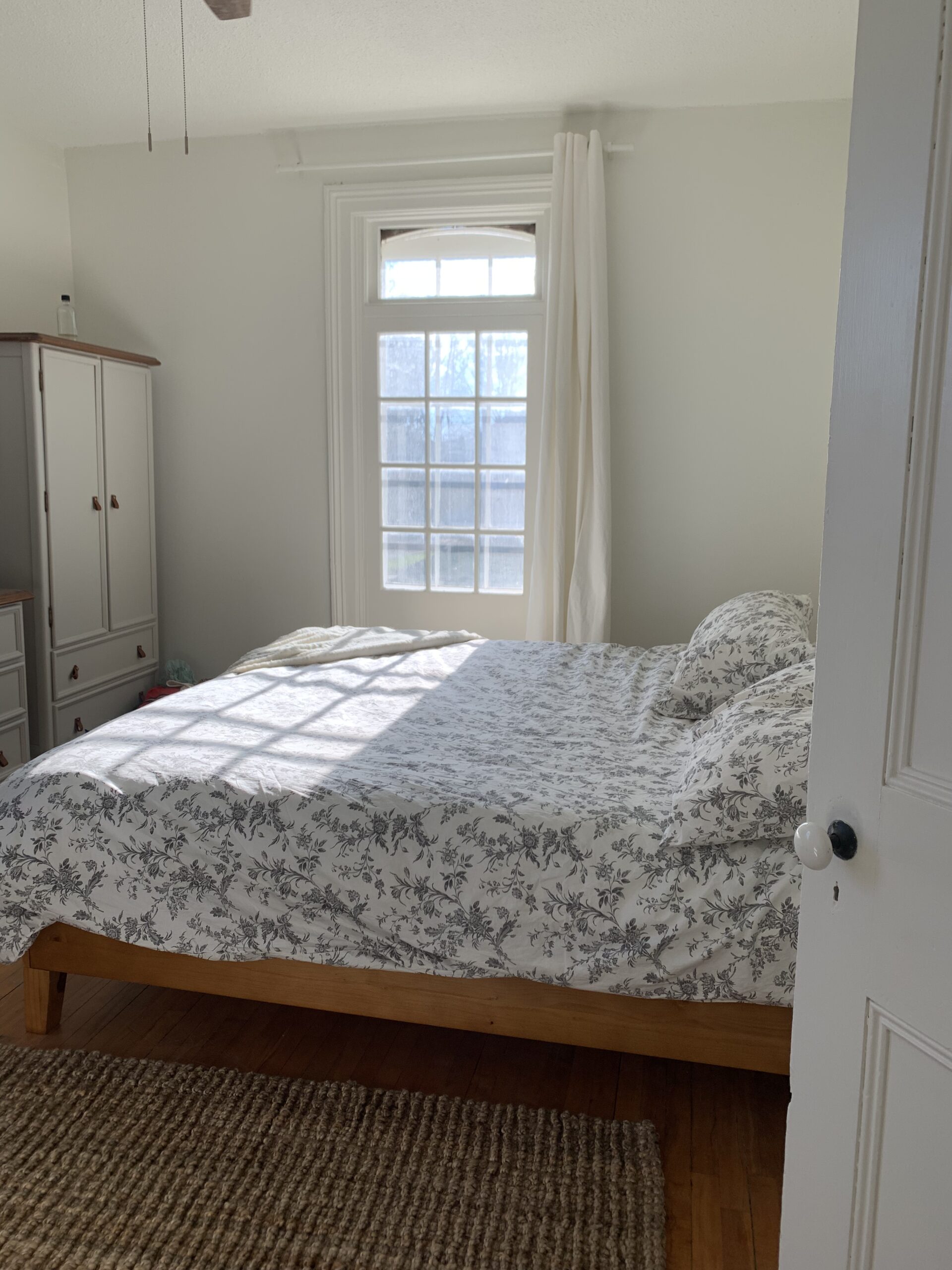
Your Home Can Lose Value Before Buyers Even See The Bedrooms
When selling a home, most homeowners focus on the big things: the kitchen, the bathrooms, the flooring, and the bedrooms. But here’s the thing, your home can lose value and buyers often start forming an opinion about your home before they even see any of those spaces. As a contractor-turned-realtor, I’ve learned that the first few minutes of a showing can make a big difference. The condition of your home’s entrance, the smell, signs of water, and general maintenance can all influence how a buyer feels about the property and, ultimately, how much they may be willing to pay.
1. The Front Entrance Creates the First Impression
The front entrance is the first part of your home a buyer experiences.
Before they see the kitchen or walk through the bedrooms, they’re already noticing:
- Is the entrance clean and inviting?
- Is the front door in good condition?
- Are there peeling surfaces, damaged trim, or loose railings?
- Is the entryway cluttered?
- Does the home feel cared for?
A worn-out front door, overgrown landscaping, dirty porch, or cluttered entrance can immediately make a buyer wonder what else may have been neglected.
The good news is that improving your entrance doesn’t necessarily require a major renovation. A good cleaning, fresh paint, updated hardware, tidy landscaping, and a welcoming entryway can make a significant difference.
2. Smell Can Change a Buyer’s Opinion Immediately
You can have a beautiful home, but if a buyer walks through the door and notices an unpleasant smell, that may become the thing they remember most.
Common concerns include:
- Pet odours
- Cigarette smoke
- Cooking smells
- Mustiness
- Damp or mouldy smells
- Strong air fresheners trying to cover up other odours
The goal isn’t to make your home smell like perfume or a scented candle. The goal is for it to smell clean and neutral. If a buyer notices a smell right away, they may start looking for the source. That can lead them to wonder whether there is a moisture issue, an old carpet problem, or another hidden concern.
3. Signs of Water Can Be a Major Red Flag
As a contractor, water-related issues are some of the first things I naturally look for.
Buyers may notice:
- Water stains on ceilings or walls
- Bubbling or peeling paint
- Damp smells
- Staining around windows
- Cracks or damage around the foundation
- Signs of previous leaks
- Damaged caulking around tubs, showers, or sinks
Even if the issue has already been repaired, visible signs of water can make buyers nervous.
If there has been a previous leak or water issue, having documentation of the repair can be extremely helpful. Buyers feel more comfortable when they can understand what happened, what caused it, and how it was fixed.
4. General Maintenance Tells a Story
Small maintenance issues can add up quickly in a buyer’s mind. One loose door handle may not matter. A dripping faucet may not matter. A cracked switch plate may not matter. But when a buyer sees several small issues throughout the home, they may start thinking:
“What bigger problems haven’t I noticed yet?”
Before listing, take a walk through your home with fresh eyes. Look for the little things:
- Loose handles
- Squeaky or sticking doors
- Burnt-out light bulbs
- Damaged trim
- Cracked caulking
- Leaking faucets
- Loose railings
- Peeling paint
- Damaged screens
- Broken fixtures
These may be small repairs, but they can make your home feel much more cared for.
5. Windows and Doors Are More Important Than Many Sellers Realize
Windows and doors are some of the first things buyers interact with and inspect. Buyers may not always know exactly what the problem is, but they can often tell when something doesn’t feel right. Doors and windows also contribute to the overall impression of the home’s condition. A sticking door or a window that doesn’t operate properly may cause buyers to wonder about the age and maintenance of other components of the property.
The First Impression Starts Before the Bedrooms
When preparing your home for sale, don’t only focus on the areas that photograph well. The front entrance, the smell of the home, signs of water, general maintenance, windows, and doors can all influence a buyer’s first impression before they ever reach the bedrooms. As someone with a background in contracting, I naturally look at homes through a different lens. I pay attention not only to how a home looks, but also to the details that may raise questions for a buyer.

Rob Collier


The goal isn’t to spend thousands of dollars renovating before selling.
The best pre-listing improvements are not the biggest renovations, they’re the small details that make a buyer feel confident the home has been well maintained.
Thinking about selling? Before you spend money on renovations, let’s talk about which improvements are actually worth making.


